
“We have a really collaborative team,” a CTO told me proudly during our leadership coaching session. “Everyone’s always on the same page.”
I asked how he knew. His answer was revealing: “Nobody ever pushes back on our direction.”
After sitting in on three team meetings, I had to deliver some uncomfortable news: He didn’t have collaboration. He had compliance. And they’re not remotely the same thing.
The Sound of Fear
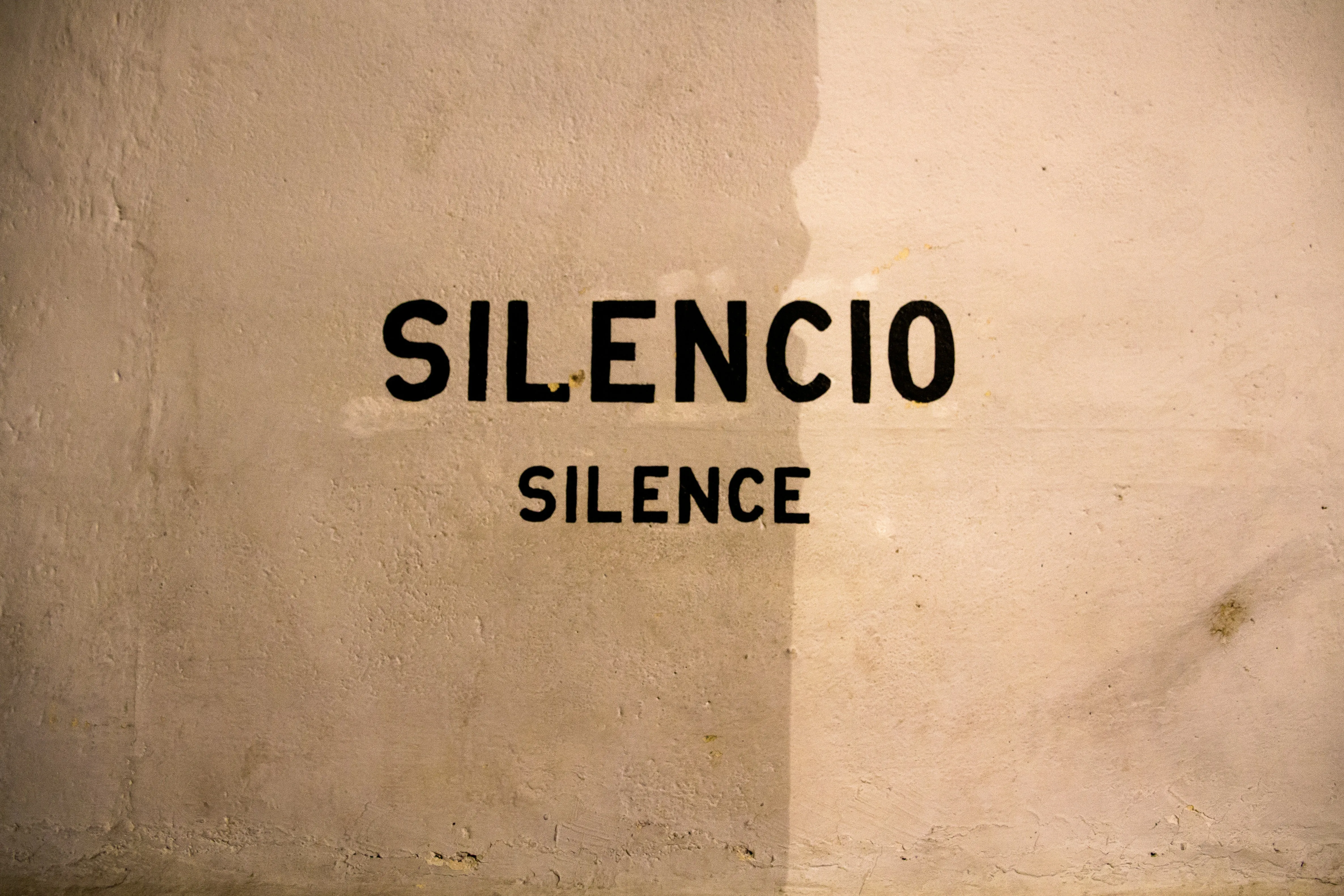
Silence in meetings isn’t consensus—it’s often a blaring alarm that trust has left the building.
I discovered this the hard way when launching a major product overhaul at my second startup. The room fell quiet after I shared the vision. I mistook the silence for alignment and marched forward.
Six months and $2M later, I learned the truth: The team had immediate, serious concerns but didn’t feel safe expressing them. They complied with a plan they knew was flawed because speaking up felt riskier than staying silent.
If people aren’t speaking up, you don’t have a “quiet” team. You have a trust problem.
The Compliance Trap
The compliance trap works like this:
- Leader presents an idea
- Team senses disagreement is unwelcome (explicitly or implicitly)
- Team offers surface-level agreement
- Leader misinterprets compliance as commitment
- Problems emerge later that could have been prevented
- Leader wonders why nobody spoke up sooner
- Trust erodes further
This cycle creates the illusion of alignment while guaranteeing failure. Worse, it becomes self-reinforcing: each round of silent compliance followed by inevitable problems makes speaking up feel even riskier.
The Signals You’re Missing
How do you know if you’re mistaking compliance for commitment? Watch for these warning signs:
- Questions are clarifying, never challenging
- Feedback comes only after decisions are implemented
- 1:1 conversations reveal concerns never mentioned in groups
- People agree quickly without meaningful discussion
- The phrase “as you suggested” appears frequently in communication
- Implementation happens slowly despite apparent agreement
The Trust Equation
In my experience, psychological safety in teams follows a simple formula:
Trust = (Consistency × Vulnerability) ÷ Power Distance
Let me break this down:
- Consistency: How reliably you respond to input (even disagreement) with openness rather than defensiveness
- Vulnerability: Your willingness to admit uncertainty, mistakes, and limitations
- Power Distance: How wide the perceived gap is between your authority and the team’s
Teams speak up when trust outweighs perceived risk. Simple as that.
Breaking the Silence
Transforming compliance into real commitment requires deliberate action:
- Make disagreement explicit. “If everyone agrees with this approach, that’s concerning because we haven’t heard any risks or alternatives.”
- Reward concerns publicly. “That’s exactly the kind of issue I need to hear—thank you for raising it.”
- Demonstrate changed thinking. Nothing builds trust like visibly changing your mind based on team input.
- Create structured dissent. Assign someone the explicit role of challenging the approach in every significant decision.
- Manage your reactions. Your response to the first brave person who speaks up determines whether others will follow.
The Commitment Test
Want to know if you have commitment or just compliance? Try this simple test:
Present a significant direction, then leave the room. Have someone neutral observe what happens next. If the conversation continues with honest debate, you have commitment. If it immediately shifts to other topics or includes eye rolls, you have compliance.
During a particularly challenging quarter, I tried an experiment: I deliberately presented an approach I knew was flawed. Not a single person on my team questioned it in the meeting. That told me everything I needed to know about our trust levels.
Silence Is Data
Remember this: Silence isn’t the absence of data—it is data. Often, it’s the most important signal that something is fundamentally broken in your team dynamic.
Leaders who celebrate their “aligned” teams without probing that alignment are setting themselves up for failure. True alignment can handle scrutiny. Compliance collapses under it.
The most powerful phrase in a leader’s vocabulary isn’t “I have decided.” It’s “What am I missing?”
Don’t mistake quiet for quality. The most dangerous problems aren’t spoken—until it’s too late.