
Ahoy, retrospective enthusiasts! Welcome to the third installment of our “Make Your Team Less Dysfunctional” series. We’ve already explored the no-nonsense Start Stop Continue method and took a whimsical voyage with the Sailboat Retrospective. Now, it’s time to get in touch with our feelings. Don’t worry, I promise it’s not as scary as it sounds.
Enter the Mad Sad Glad retrospective – the emotional rollercoaster your team didn’t know it needed.
What in the World is Mad Sad Glad?
Picture this: you’re in a room with your team (or on a Zoom call, because, well, 2024). Instead of the usual “this sprint sucked because…” grumbling, you’re all about to embark on a journey of emotional discovery. Sounds fun, right? …Right?
Mad Sad Glad is like group therapy, but for your project. It’s a way to categorize events, issues, or observations based on how they made team members feel. It’s like emoji reactions, but for your entire sprint.
Here’s the breakdown:
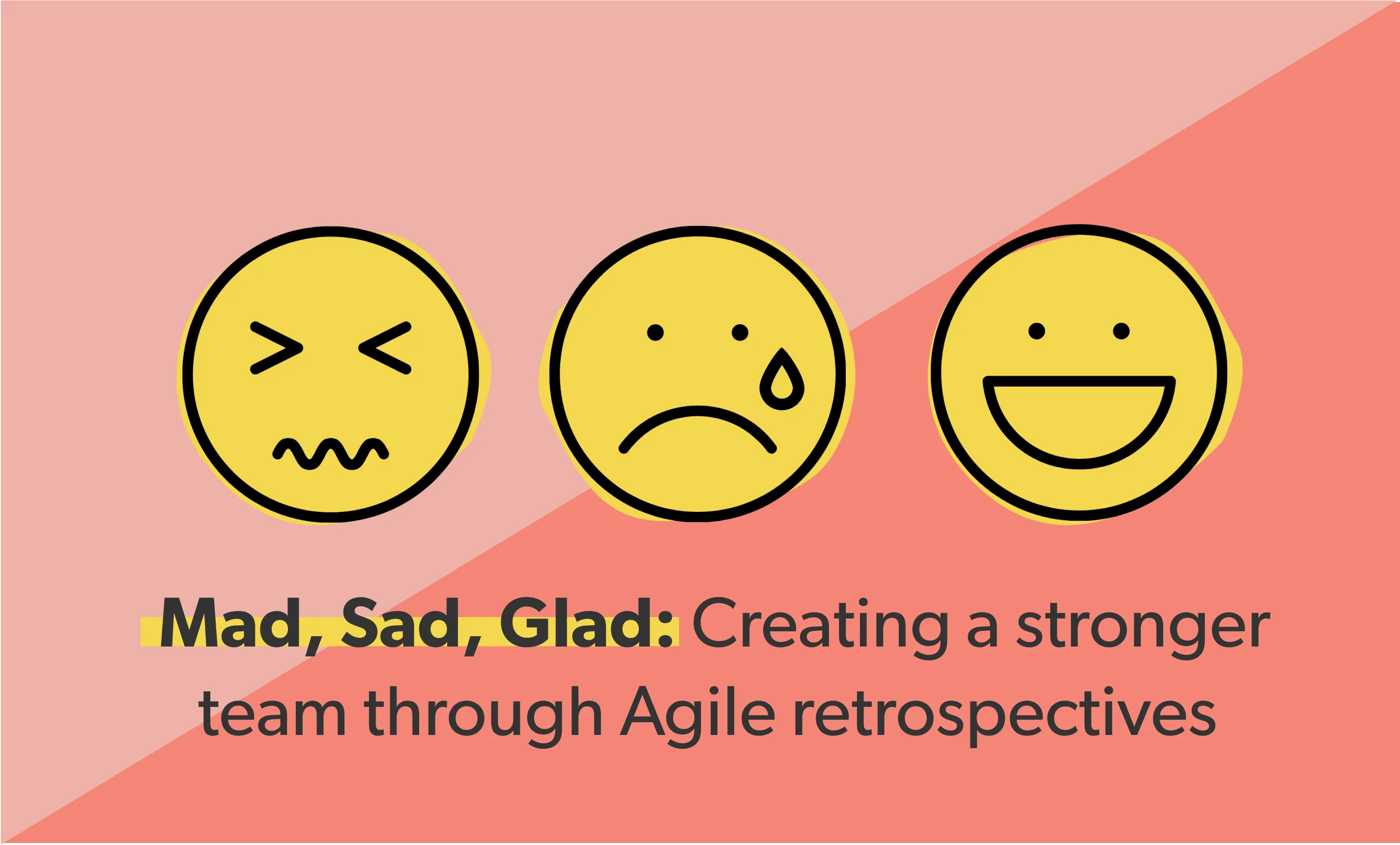
- Mad: Things that made you want to throw your keyboard out the window.
- Sad: Stuff that made you want to curl up with a pint of ice cream.
- Glad: The rare moments that actually made you enjoy your job.
The goal? To get everyone talking about what’s really going on, without turning it into a blame game. Because let’s face it, we all know it was Karen’s fault anyway. (Just kidding, Karen. Please don’t report me to HR.)
Why Should You Care?
Look, I get it. The last thing you want is another touchy-feely exercise that feels like a waste of time. But hear me out:
- It’s Cathartic: Sometimes, you just need to vent. This gives you a structured way to do it without looking like a complainer.
- It’s Inclusive: Even your most introverted team members can participate by simply categorizing their experiences.
- It Promotes Empathy: Understanding how your actions affect others’ emotions can be eye-opening.
- It’s Action-Oriented: After all the feeling sharing, you actually come up with solutions. Novel concept, right?
- It’s Versatile: Works for small teams, big teams, and everything in between.
Plus, it’s a great way to figure out if your team is mostly mad, mostly sad, or (miraculously) mostly glad. Spoiler alert: If you’re mostly glad, you’re probably doing it wrong.
How to Run This Emotional Extravaganza
Ready to dive into the feels? Here’s your step-by-step guide to not screwing it up:
- Set the Stage: Explain the concept and remind everyone that this is a blame-free zone. We’re here to discuss behaviors and events, not to throw Susan under the bus. (Sorry, Susan.)
- Brainstorm: Give everyone time to jot down their mad, sad, and glad moments from the sprint.
- Share and Categorize: Have team members add their items to the appropriate columns.
- Vote: Let the team vote on which items they think are most important to discuss. Democracy in action, folks!
- Discuss: Start with the highest-voted items and work your way down. Remember, the goal is to understand why people felt a certain way and how to address it.
- Action Plan: For each major issue, come up with concrete steps to either fix the problem or replicate the success.
The whole shebang should take about 60–90 minutes. That’s less time than it takes to binge-watch your favorite sitcom, and potentially more productive. (Unless your favorite sitcom is “The Office,” in which case, carry on.)
Real Talk: Examples to Get You Started
Still feeling a bit lost? Here are some examples to prime the emotional pump:
Mad:
- The CI/CD pipeline broke… again
- Three people worked on the same feature without communicating
- Someone (Dave) ate all the donuts before standup
Sad:
- We missed our sprint goal by a mile
- The client didn’t like our design… after approving the mockups
- We had to work late every day this week
Glad:
- We finally fixed that bug that’s been haunting us for months
- The team lunch was actually fun and not awkward
- We got positive feedback from users on our latest feature
Wrap It Up with a Bow
The Mad Sad Glad retrospective isn’t just about airing grievances or patting yourselves on the back. It’s about understanding the emotional landscape of your team and using that knowledge to drive improvements.
So, are you ready to turn your team’s emotional baggage into rocket fuel for success? Or will you continue to pretend that feelings don’t exist in the workplace? The choice is yours, you stone-cold professional, you.
Remember, whether you’re starting, stopping, and continuing, sailing towards your goals, or navigating the turbulent waters of emotions, the key is to keep improving. And maybe invest in a good therapist. Just kidding. (Or am I?)
Have you tried the Mad Sad Glad retrospective? Did it turn into a group hug, or more of a group therapy session? Share your experiences in the comments below. And if this post helped your team get in touch with their feelings, consider buying me a mood ring. I need to know if I’m feeling mad, sad, or glad about these puns.
Stay tuned for the next chapter in our retrospective saga. It’s going to be emotionally… retrospective!