
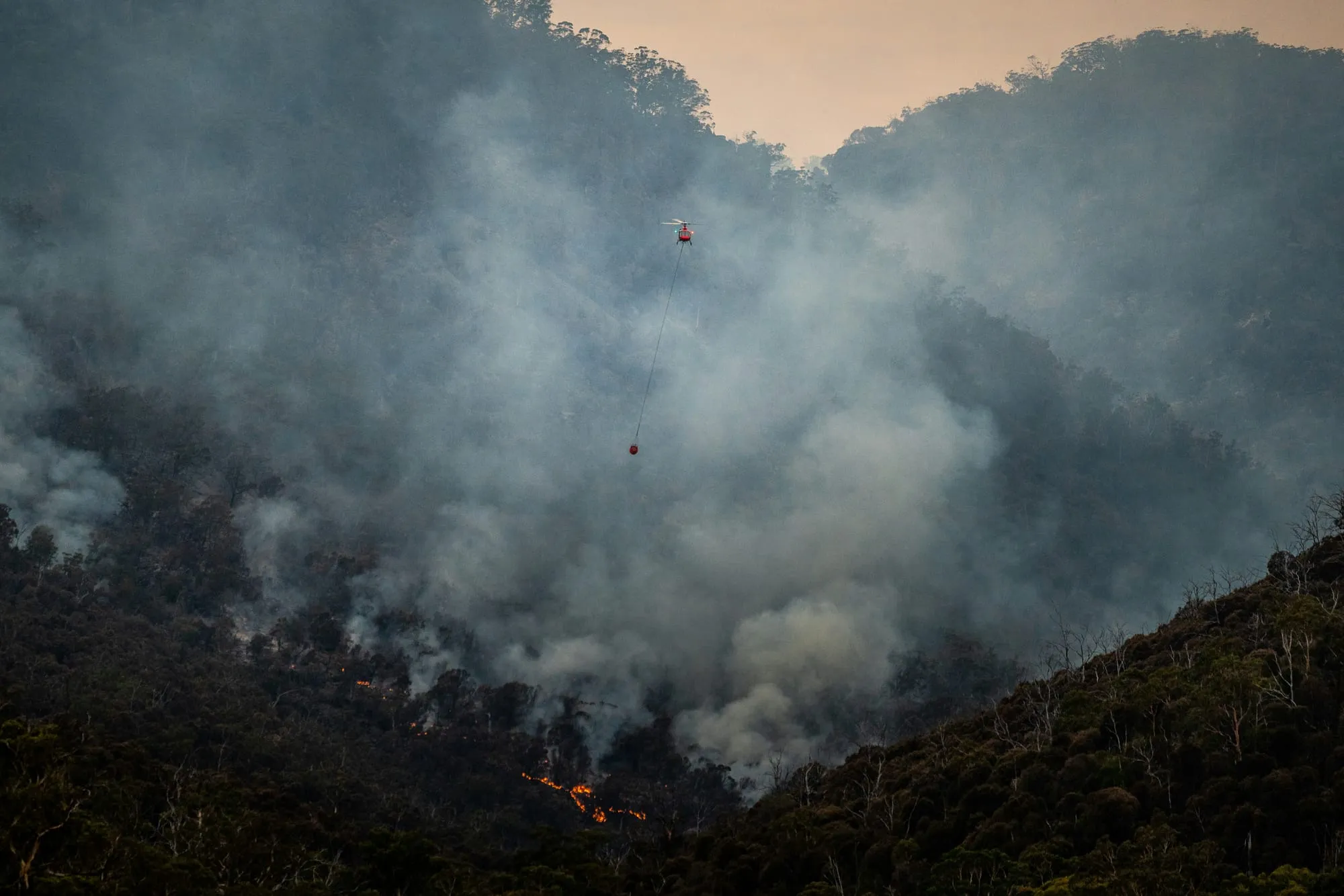
Every engineering leader I know keeps a “firefighter” badge of honor. Late-night production issues, customer escalations, system outages — we’ve all been there. But after burning out three times as a leader, I finally learned: constant firefighting isn’t a sign of heroism. It’s a sign of systemic failure.
Warning Signs
Let me share a painful lesson from my last startup. Our team prided itself on rapid incident response. Average time-to-resolution: 45 minutes. Impressive, right?
Wrong. We were missing dozens of warning signals:
- Increasing error rates in non-critical systems
- Growing technical debt in older services
- Rising frequency of “minor” incidents
- Subtle patterns in monitoring data
- Team members quietly raising concerns
The Real Cost
Here’s what firefighting actually cost us:
- Innovation stopped
- Team burnout accelerated
- Technical debt compounded
- Small problems grew into crises
- Best engineers started leaving
Prevention Over Reaction
The turnaround started when we implemented three simple rules:
- Track patterns, not just incidents
- Log every small issue
- Look for commonalities
- Set time aside for trend analysis
- Create space for maintenance
- 20% of sprint capacity for system improvements
- Regular technical debt reviews
- Proactive monitoring upgrades
- Reward prevention
- Celebrate quiet weeks
- Promote engineers who write reliable systems
- Share prevention wins in all-hands meetings
Key Insight
The most reliable systems I’ve seen aren’t run by the best firefighters. They’re run by teams that barely fight fires at all. They smell smoke early and fix problems while they’re small.
Remember: Your job isn’t to be the hero who saves the day. It’s to build systems that rarely need saving.